Electrical Engineering
Program Overview
Electrical engineering is the branch of engineering that focuses on power, electronics
"Scranton’s engineering program has exposed me to all sorts of possibilities, while simultaneously helping me form a concrete understanding of engineering basics."
Daniel D'Agostini '19, Electrical Engineering major
Designing and developing electrical equipment, electrical engineers are among the most diverse and dynamic contributors to our technological advancements. The field is relatively new, and began with the creation of basic batteries and charging techniques. Modern discoveries have pushed the field of electrical engineering to
By combining basic science and mathematics with advanced knowledge of semiconductors, analog and digital electronic circuit design, optical devices, image and signal processing, communications, control systems, photonics, computer architecture, computer-aided design (CAD), today’s electrically powered modern world
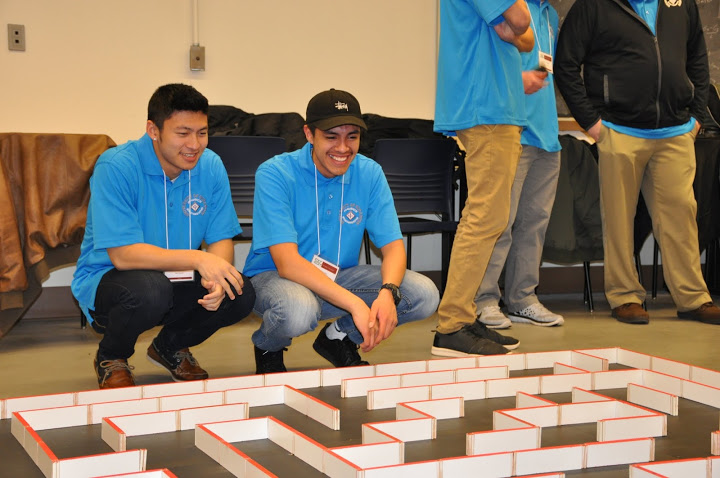
"Engineering impacts our daily lives, from cell phones to computers. These wonderful little machines are all around us, and they represent electrical and computer engineering in action."
Andrew Berger, Ph.D., Chair of the Physics & EngineeringDepartment
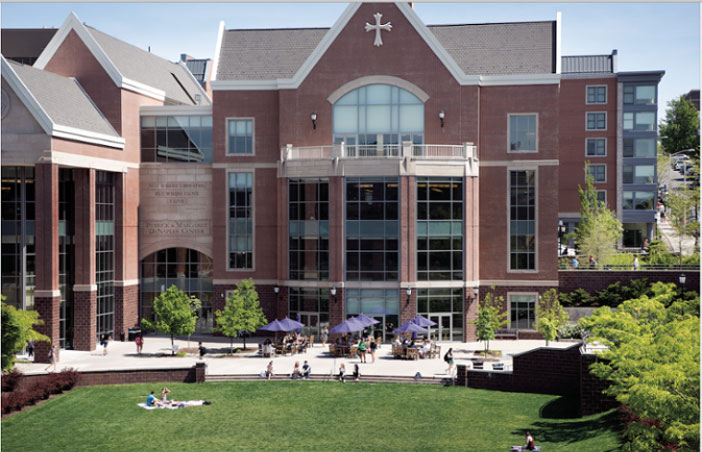
 In the Loyola Science Center, state-of-the-art classrooms, teaching laboratories, research spaces, faculty offices, and informal gathering spaces reflect the interactive nature of science and encourage active participation.
Curriculum
Electrical engineering is essential to every industry and electricity is a vital utility in the modern world. At The University of Scranton, you will have the opportunity to explore your interests with the support of dedicated faculty, access to advanced equipment, and a range of challenging courses — from physics and biology, to advanced chemistry and thermodynamics — with continuous connections and applications to real-world problems.
View Electrical Engineering Curriculum
Accreditation

Program Name: Electrical Engineering (B.S.)
The Electrical Engineering (B.S.) program is accredited by the Engineering Accreditation Commission of ABET, https://www.abet.org, under the General Criteria and the Program Criteria for Electrical, Computer, Communications, Telecommunication(s) and Similarly Named Engineering Programs.
Career Roadmap
The Center for Career Development is here to help you "map" out your path to success.
Electrical EngineeringLearn More